Price of Best Dining Table Shape in UK: Round vs Rectangle Guide
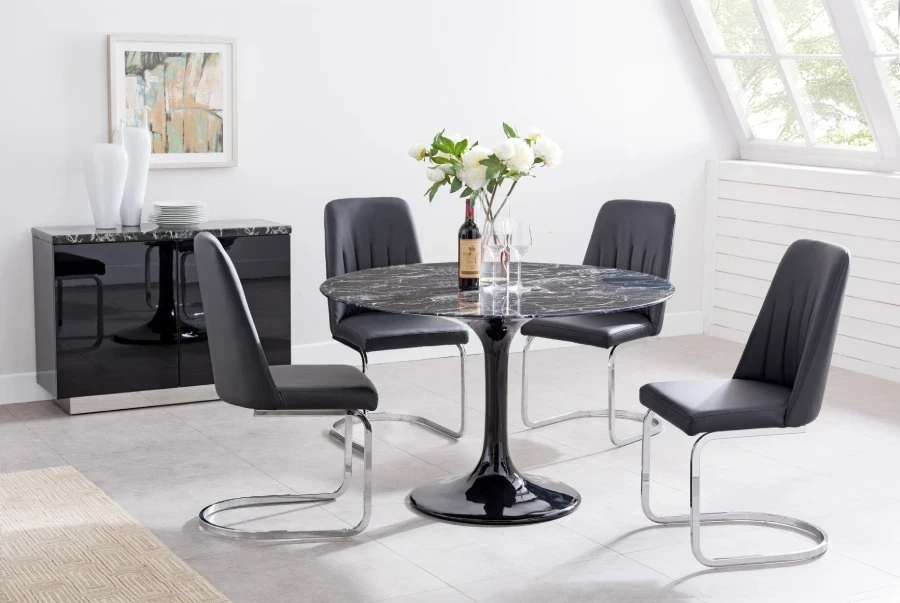
Choosing the best dining table shape depends on more than personal taste. The right shape should suit your room size, seating needs, layout, lifestyle, and interior design while leaving enough space for comfortable movement.
If you are furnishing a home in the UK, choosing between a round and rectangular dining table can make a noticeable difference to how your dining area looks and functions. In this guide, we compare the advantages of each shape and explain how to choose the right option for your room.
Best Dining Table Shape for a Small Kitchen
When choosing the best dining table shape for a small kitchen, consider how people move around the room. A table that looks compact can still make a kitchen feel crowded if there is insufficient clearance.
Round tables are often a practical option for smaller kitchens because their curved edges eliminate corners. This can make walking around the table easier, particularly in tight layouts.
A small rectangular table can also work well when placed against a wall or positioned lengthways along a narrow kitchen.
Price of Best Dining Table Shape in UK
The price of the best dining table shape in the UK depends on the design and size. Round and square dining tables typically start from around £150–£300, while rectangular and oval tables often range from £200–£500 for standard models.
Premium dining tables can cost around £600–£1,500+, particularly when made from solid wood or featuring extendable designs. The best shape depends on your room size, seating requirements, available space and preferred style.
Why Round Tables Work Well in Small Spaces
A round table can create a softer visual flow and make a compact dining area feel less restrictive. It also allows diners to sit around the entire perimeter without corners taking up additional space.
For apartments, breakfast areas, and compact kitchens, a small round dining table can provide an attractive balance between functionality and available floor space.
However, the best dining table shape ultimately depends on your room's dimensions. Measure the available area before choosing a table based solely on its appearance.
Why Rectangular Tables Can Still Work
Rectangular tables offer excellent flexibility in narrow rooms. Their straight edges can align with walls, kitchen islands, or other furniture more easily than curved designs.
If your kitchen has a long, narrow footprint, a rectangular table may actually use the available space more efficiently.
Round Dining Table vs Rectangular Dining Table
The choice between a round dining table vs rectangular dining table usually comes down to space, seating capacity, and the way you use your dining area.
Round tables encourage conversation because everyone faces the centre of the table. They also avoid sharp corners, which can be helpful when movement around the room is limited.
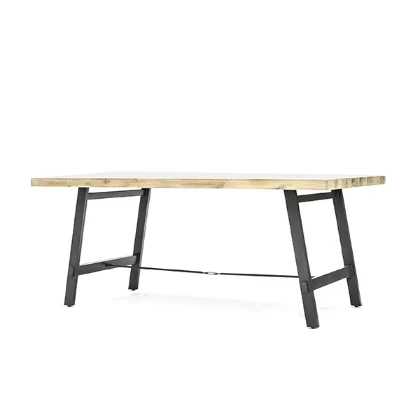
Rectangular tables provide a longer surface and can accommodate more people as their dimensions increase. They are particularly suitable for larger dining rooms and families who regularly host guests.
Neither option is universally better. The right choice depends on your specific space, household, and lifestyle.
Round Dining Tables: Key Benefits
Round dining tables have several characteristics that make them appealing for modern UK homes.
-
Better conversation: Everyone can generally see and speak with one another more easily.
-
No sharp corners: The curved edge can make circulation around the table easier.
-
Flexible placement: Round tables can work well in square rooms and open-plan spaces.
-
Intimate atmosphere: Their shape creates a more social and relaxed dining experience.
These advantages make round designs particularly attractive for smaller households and homeowners who prioritise conversation and visual simplicity.
Rectangular Dining Tables: Key Benefits
Rectangular tables remain one of the most popular dining solutions because they provide a generous usable surface.
-
Higher seating capacity: Longer tables can comfortably accommodate larger households.
-
Efficient in long rooms: Their proportions work naturally in rectangular dining areas.
-
Flexible placement: They can sit parallel to walls or kitchen islands.
-
Ideal for entertaining: Extra length provides more room for guests and serving dishes.
For larger homes and formal dining rooms, a rectangular table is often a practical and visually balanced option.
Are Round or Rectangular Tables Better?
So, are round or rectangular tables better? There is no single answer because each shape solves different problems.
A round table may be better for a compact room, a social dining environment, or a space where people need to move easily around the furniture.
A rectangular table may be better for larger families, narrow rooms, formal dining spaces, or homeowners who frequently entertain.
If you are still asking which is better, round or rectangle dining table, start with the room rather than current trends. The best dining table shape is the one that provides the right combination of comfort, proportion, functionality, and design.
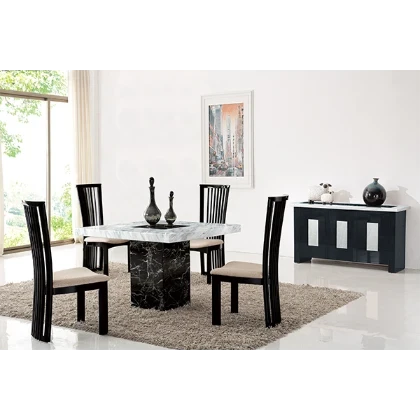
More product : Callisto Dining Table
Choosing a Dining Table Based on Seating Capacity
Seating capacity is another important consideration when comparing a round dining table vs rectangular dining table.
Round tables can provide comfortable seating for smaller groups while maintaining a strong sense of connection between diners.
Rectangular tables become increasingly useful as the number of diners grows. Their elongated surface makes it easier to add seating along the longer sides.
Before buying, think about your normal household size and how many guests you usually invite.
Choosing Based on Number of People
Use these general guidelines when estimating your requirements:
-
2–4 people: A compact round or rectangular table can work well.
-
4–6 people: Medium-sized tables offer comfortable everyday seating.
-
6–8 people: A larger rectangular table may provide greater flexibility.
-
8+ people: Consider a large rectangular or extendable design.
Actual capacity depends on the table dimensions, chair width, leg design, and the amount of personal space required.
Best Dining Table Shape for Different Room Layouts
Different rooms naturally favour different table shapes. Understanding this relationship can make your buying decision much easier.
Square Dining Rooms
A round or square table can complement a square room because the proportions feel balanced. A round table can also soften the straight lines of the surrounding architecture.
Long Dining Rooms
Rectangular tables are usually a natural fit for long rooms. Their proportions can follow the shape of the room while providing plenty of seating.
Open-Plan Spaces
Both shapes can work in open-plan areas. Your choice should depend on how you want to define the dining zone.
A round table can act as a visual focal point, while a rectangular table can create a stronger linear connection between the kitchen and dining area.
Narrow Kitchens
In narrow kitchens, carefully measure the available width before choosing a table. A compact rectangular table may fit against a wall, while a small round table may improve movement around the dining area.
How Table Shape Affects Interior Design
The shape of your dining table contributes significantly to the visual character of the room.
Round tables can introduce softness and movement into interiors dominated by straight lines. They can also create a more informal and welcoming atmosphere.
Rectangular tables create stronger horizontal lines and often feel more structured. They can complement contemporary, minimalist, traditional, and formal interiors.
When selecting the best dining table shape, consider how the table will interact with your chairs, lighting, flooring, and surrounding furniture.
Choosing the Right Material for Your Dining Table
Shape is only one part of the buying decision. Material also affects the table's appearance, durability, maintenance, and overall character.
Consider these common options:
-
Wood: Adds warmth, texture, and natural character.
-
Marble: Creates a sophisticated and luxurious appearance.
-
Glass: Helps create a lighter visual effect in smaller rooms.
-
Stone-effect finishes: Can provide a contemporary statement.
-
Mixed materials: Combine different textures for a modern aesthetic.
Choose a material that suits your lifestyle as well as your interior design.
Measure Your Space Before You Buy
Regardless of whether you prefer a round or rectangular table, measurements should come first.
Measure the dining area and account for chairs, walkways, doors, and nearby furniture. A table should never make it difficult for people to move comfortably around the room.
A useful method is to mark the proposed table dimensions on the floor using masking tape. This gives you a realistic idea of how much space the table will occupy.
Measurements to Check
Before ordering your dining table, confirm:
-
Table length and width or diameter.
-
Table height.
-
Number of chairs required.
-
Space needed behind each chair.
-
Clearance from walls and furniture.
-
Door and walkway access.
These measurements can prevent a table from becoming too large for the room.
Round vs Rectangle: A Quick Comparison
If you are still deciding between the two options, compare their practical differences before making your final choice.
|
Feature |
Round Dining Table |
Rectangular Dining Table |
|
Small rooms |
Excellent |
Good |
|
Large families |
Good |
Excellent |
|
Conversation |
Excellent |
Good |
|
Narrow rooms |
Good |
Excellent |
|
Square rooms |
Excellent |
Good |
|
Entertaining |
Good |
Excellent |
|
Space flexibility |
Excellent |
Good |
|
Formal appearance |
Good |
Excellent |
The comparison shows why there is no universal winner. Your room, household size, and lifestyle should determine the final decision.
Why Choose Dining Tables from Alfrank?
Once you understand the differences between dining table shapes, the next step is finding a design that combines quality, functionality, and style.
Alfrank offers a curated furniture collection designed for contemporary interiors, including dining tables in different styles, materials, sizes, and shapes.
Whether you are looking for a statement piece for a spacious dining room or a compact design for a smaller home, exploring different options can help you find the right fit.
Visit Alfrank to explore its dining furniture collection and discover tables designed to complement modern living spaces.
Final Thoughts: Finding the Best Dining Table Shape
The best dining table shape is not necessarily the most fashionable option. It is the shape that fits your room, accommodates your household, supports your lifestyle, and complements your interior.
Choose a round table when conversation, circulation, and softer proportions are your priorities. Choose a rectangular table when seating capacity, surface area, and long-room layouts matter most.
Before buying, measure your room carefully, consider your seating requirements, compare materials, and think about how you use the dining area every day.
If you are still unsure which is better, round or rectangle dining table, let the dimensions and layout of your room guide the decision. The right table should make your dining area more comfortable, functional, and visually complete.
Explore the Alfrank dining collection to compare available designs and find a dining table that suits your home.